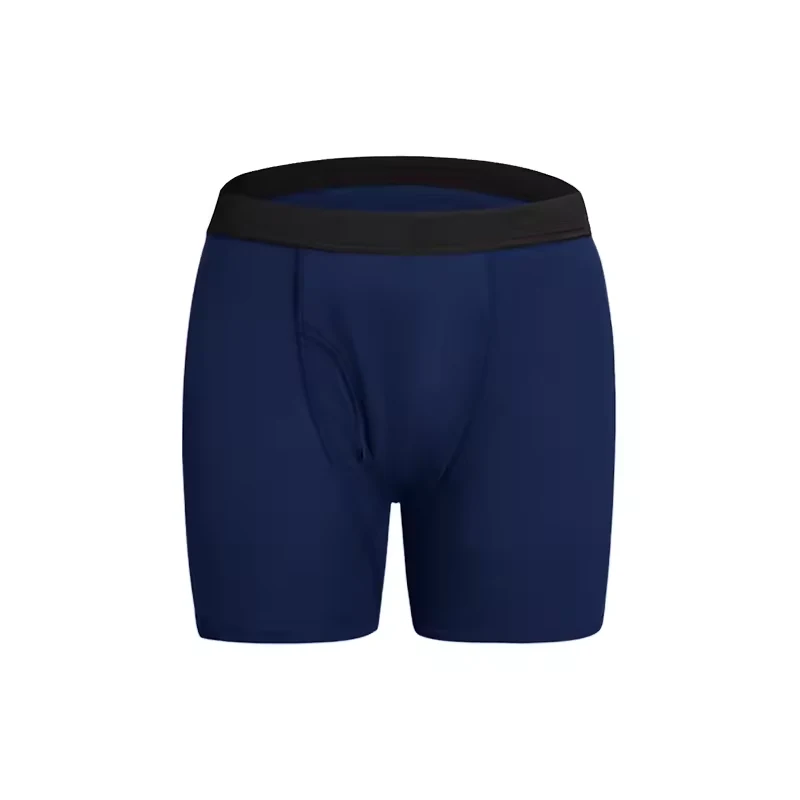
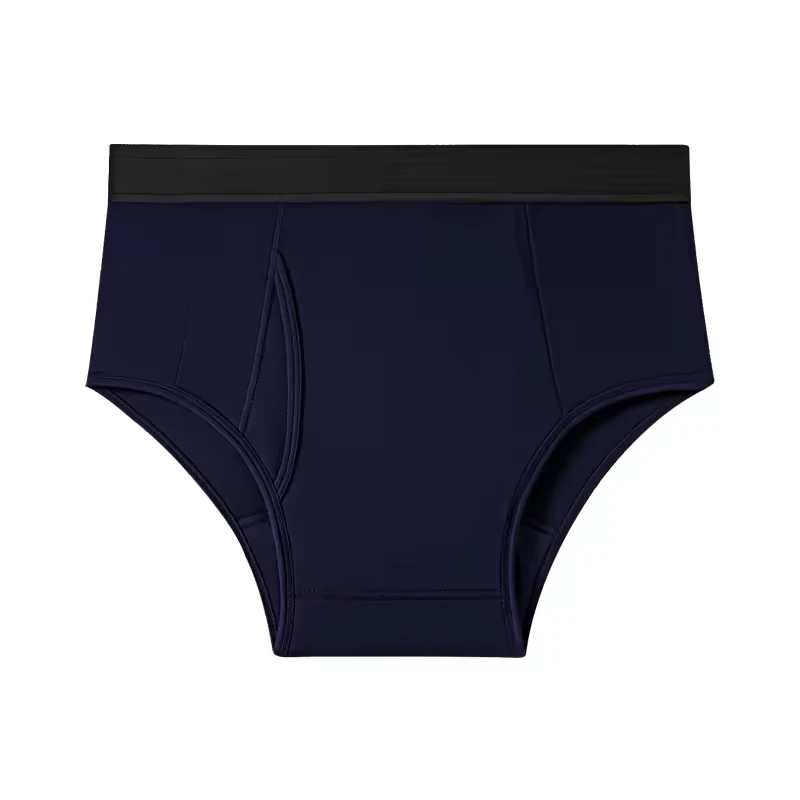
A few drops after using the bathroom can leave you thinking about light trousers, the next meeting, or the drive home. Men of different adult ages can have these questions. Compare familiar underwear shapes and protection matched to your leak pattern.
Illustrative workday scene · AI-generatedAI-generated illustration · not a customer story or product demonstration
THE EVERYDAY CONCERN
A small leak can leave a visible mark.
Light fabrics can make a little dampness easier to notice. Knowing the amount and pattern of your leaks helps you compare the right protection.
Look for a confirmed urinary-use specification and lining coverage that suits your body. A garment’s appearance alone cannot tell you how it will perform.
THE DETAILS THAT MATTER
Before you choose.
A product guide, not a medical assessment. Follow your care team's instructions when shopping for recovery.
01
Does a small leak automatically mean I need a disposable brief?
Protection should match how much and how often you leak. Options can include pads, suitable reusable underwear, or disposable briefs. An occasional drip and a larger release may need different products; the exact reusable style must have a confirmed urinary-use specification.
02
Do I need to have had prostate surgery?
No. Everyday leaks and post-surgery recovery are different starting points. A job title or age does not establish a medical condition, and absorbent underwear does not treat its cause.
03
What should I compare for a workday?
Look at the fly, waistband, leg coverage, internal panel, and confirmed capacity. Choose a protection level suited to how much you leak, rather than relying on a large saturation number.
04
Boxer or brief?
The Boxer has a longer leg; the Brief has less leg coverage and a contoured front. Both have manufacturer-described integrated panels. Usable protection remains to be validated for these exact styles.
05
What if protection needs are larger?
Neither style is verified for a full bladder release, continuous leakage, or post-operative use. Ask Longleaf or your care team about an appropriate confirmed specification.